

How can we not have enough water when it rains all the time?
Wednesday 25th March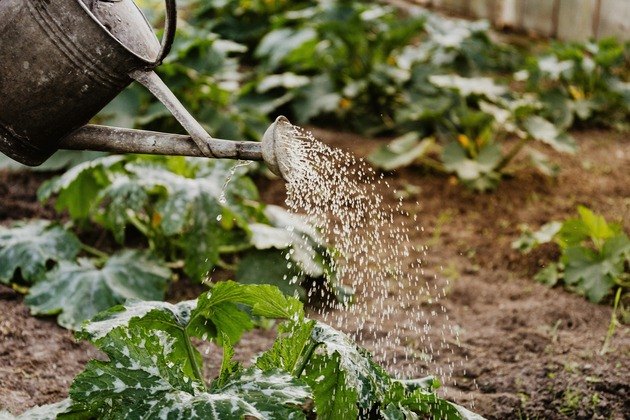
How can we not have enough water when it rains all the time? By Elle Bennett Runton
Water is something many of us in the UK rarely think twice about. It falls generously from the sky, and flows effortlessly from our taps, but behind that everyday convenience is a growing challenge. Even though it might feel like it’s always raining, the water isn’t always going where it’s needed or staying around long enough to be beneficial.
This is why we face hose-pipe bans in summer and why water scarcity in the UK is an increasing concern. The average person in the UK uses around 140 litres of water every day, far higher than in the 1960s.
Climate change impact now makes the issue even more complicated. While Sussex has experienced heavier downpours in late winter and spring, we also have longer, hotter, and drier spells in summer.
Rain increasingly arrives in intense bursts that runs quickly off hard ground and into drains, rather than soaking slowly into reservoirs and aquifers. At the same time, higher temperatures increase evaporation from soil and water bodies so we use more water to stay cool and keep gardens alive.
Add to that if we use pesticides and weed killers, they quietly but negatively change the living structure of earth itself. Soil is a living ecosystem made up of micro-organisms, fungi, worms, roots, and organic matter.
Healthy soil, has tiny channels and pores that allow rainwater to soak in, move downward, and be stored like a sponge. Using toxic chemicals disturbs this system, meaning the soil’s ability to hold water weakens.
Increasing soil health is one of the most important methods for absorbing and storing water. The good news? The most effective solutions start at home. Spring rainfall offers a practical opportunity to save water.
Installing a water butt collects rainwater for gardening, car washing, and outdoor cleaning, reducing demand on treated mains water and cutting energy use. It’s also a good time to fix leaks—one dripping tap can waste over 5,000 litres a year.
As summer approaches, water use rises, so simple changes matter. Shorter showers and low-flow shower heads can save thousands of litres annually.
Water gardens early or late to limit evaporation, and use stored rainwater where possible. Lawns can tolerate dry spells without sprinklers.
With parts of England facing water stress, small actions multiplied will make a real difference to us all. For more water saving ideas visit: www.sussexgreenliving.org.uk/watersavingtips/